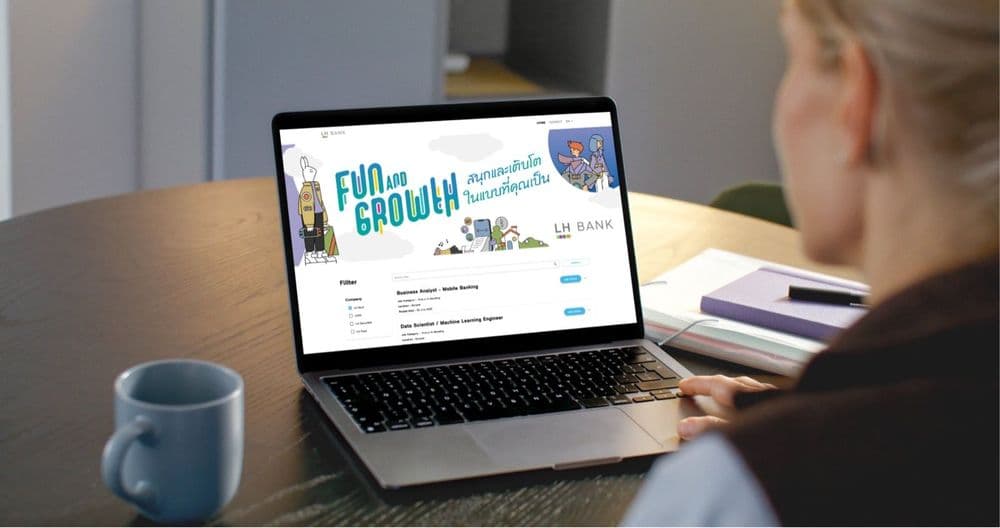
LH Bank
A careers website LH Bank’s recruiters run themselves
- UX/UI Design & User Research
- Web Application Development
- System Integration & API Development
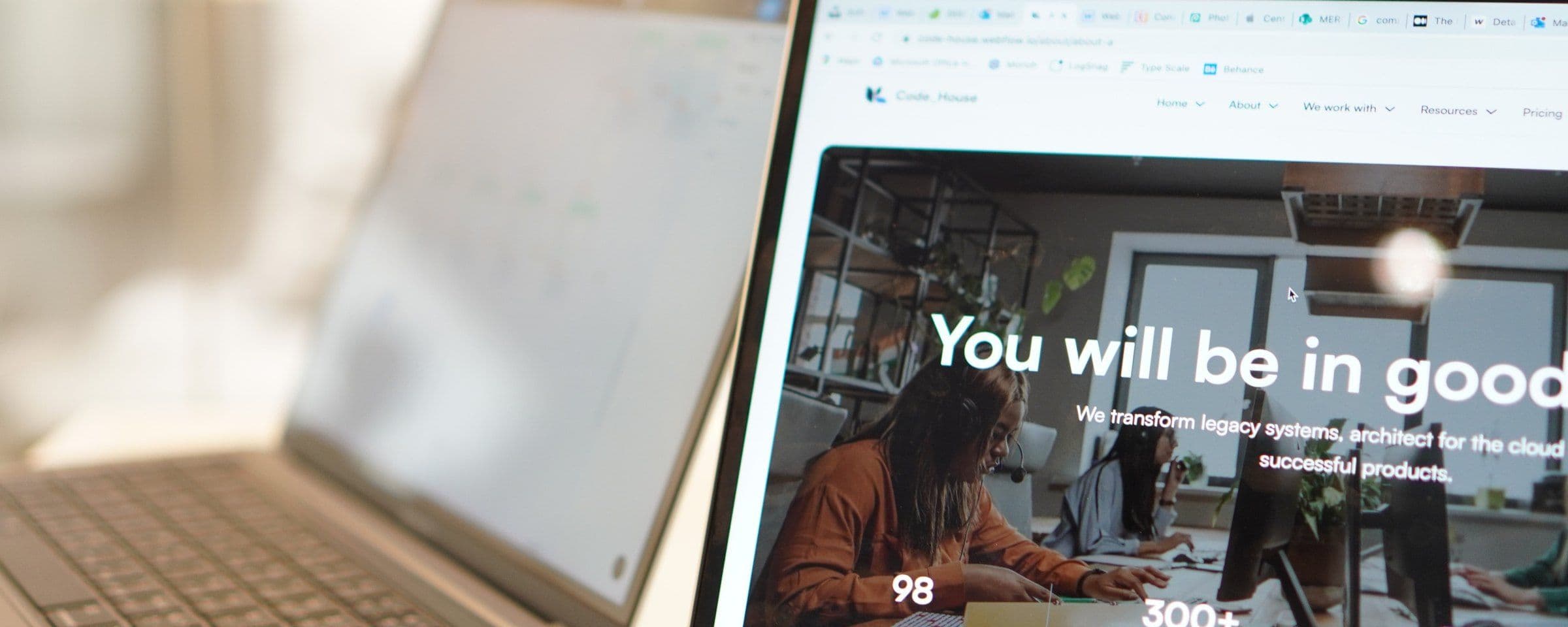
We build web applications for internal operations, customer and partner portals, and the back offices behind online services. Work starts from how people do the job today, and the application connects to the systems you already run.
Web application development means building software people use in a browser: internal systems for approvals and records, portals for customers and partners, and the back office behind an online service.
For MEMO Clothing we moved wholesale orders out of a LINE group into a web app and back office, and orders now take minutes instead of days. We also built Biddee's real-time auction marketplace and the back office behind EVolt's charging station map.
A spreadsheet has become a production system
Approvals and records live in a shared workbook with no permissions or change history.
Customer requests arrive by phone and email
Staff re-key each request, and customers call again to ask where it stands.
The current system is risky to change
Without tests or a documented deploy, every release depends on the one person who knows the code.
One task spans several systems
People copy data between them, and nobody sees the whole case in one place.
Internal operational systems
Multi-role workflow, approvals and audit trails, with permissions that follow how authority works in your organisation.
Customer and partner portals
Self-service requests and status tracking, with each customer or partner seeing only their own records.
APIs and integration
Documented APIs and connections to ERP, CRM, identity providers and legacy databases, including systems with no API.
Sign-in and access control
Single sign-on through OAuth or OpenID Connect, with role-based permissions designed together with the data model.
Tests, deploy pipeline and monitoring
Automated tests and a deploy pipeline from the first sprint, and error tracking in place before launch.
Every engagement runs through the same six-stage fitting process, from the first consultation to long-term care. The stages stay in the same order; how deep each one goes depends on the project.
See the full fitting processBefore any screens are designed, we sit with the people who will use the application and work out four things:
We settle these before choosing a framework, since choices such as React or Vue can be changed later at a manageable cost. We also design for the devices people use at work, including tablets on a warehouse floor and phones on a weak connection. The first release is one complete path through the real stack, used by real users, so a wrong requirement shows up while it is still cheap to change.







Engagements span web systems, integration and long-term support. Named with permission; clients under NDA are not listed.
Cost depends mostly on the number of user roles and workflows, how many systems the application must connect to, and how much data has to move from the old system. We send a written estimate after a short scoping call. For public-sector work we price against the TOR.
A focused first release usually takes three to six months. A system replacing a core process takes longer and should go live in stages. Integrations are where schedules most often slip, so we build the hardest one early, while there is still time to adjust the plan.
For internal systems and back-office work, a web application is usually the better fit: there is no app store, and updates reach everyone at once. A mobile app makes sense when people need the camera in a workflow, offline use, push notifications or biometric sign-in.
Usually React or Next.js for the front end, Node.js or NestJS behind it, PostgreSQL where a relational model fits, and AWS for hosting. The final choice also depends on what your own team can maintain after handover, so we agree it with your IT team first.
Your team can take the system over, we can support it under a defined agreement, or both for a period while knowledge transfers. Documentation, infrastructure-as-code and the deploy pipeline are kept current throughout, so your team can take ownership at any point.
LH Bank
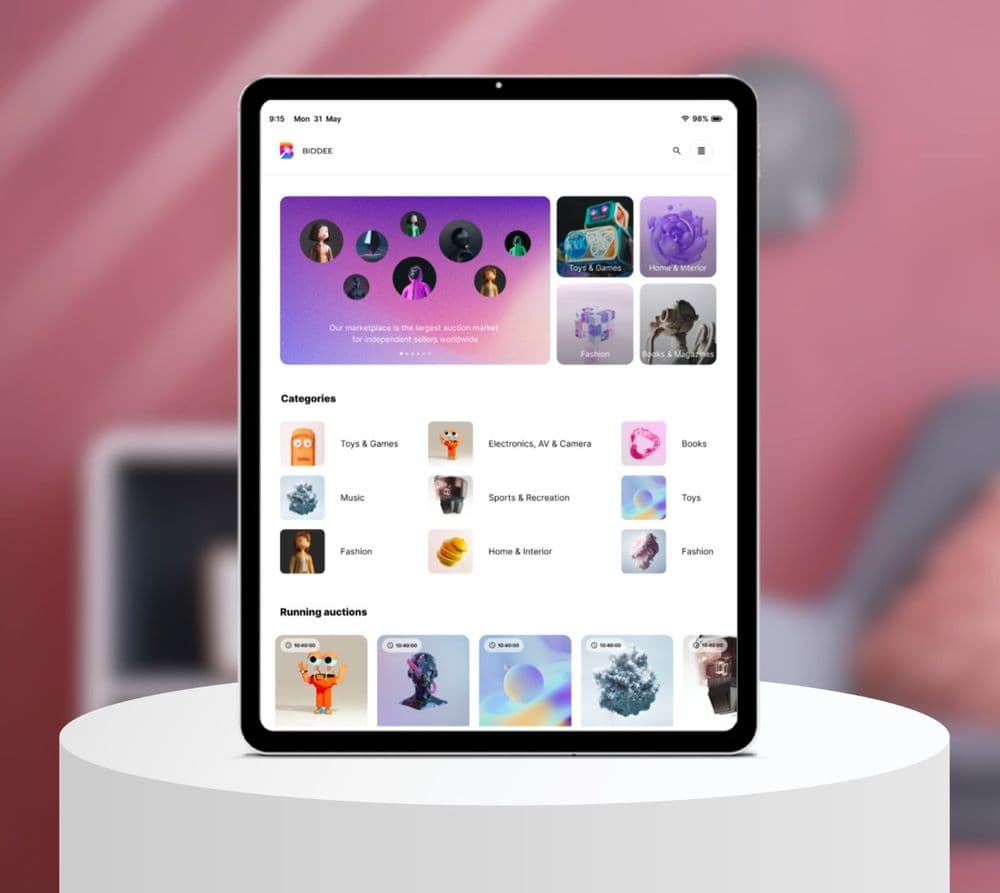
Biddee
3 yrsbuilt and evolved by the same team
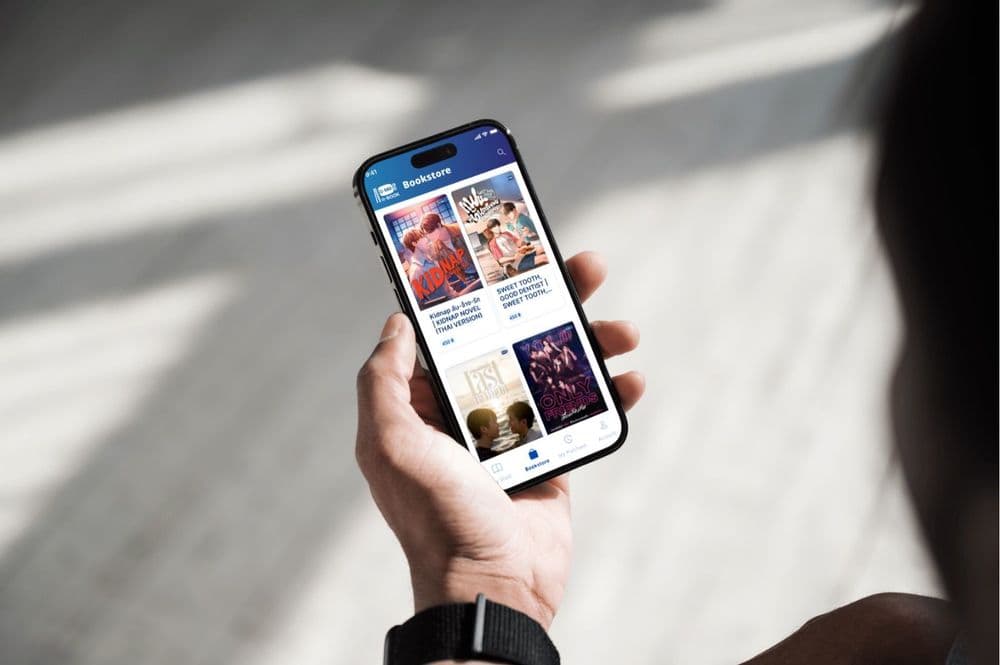
GMMTV
Next step
Tell us about the problem you are trying to solve. A senior person reads every inquiry and replies with our view of fit, scope and cost, including when another option would suit you better.
We use essential cookies to make this site work and, with your consent, Google Analytics and Hotjar session recordings to understand how it is used. Forms are hidden in recordings. Cookie policy