
LH Bank
A careers website LH Bank’s recruiters run themselves
- UX/UI Design & User Research
- Web Application Development
- System Integration & API Development
We design and build the connections between your systems: APIs, event queues, file exchanges and adapters for legacy software. Each interface has an agreed contract, copes with the other side being down, and alerts someone when it stops.
System integration and API development means connecting the systems an organisation already runs, such as ERP, accounting, HR, identity providers, legacy databases and government systems, so data moves between them without anyone re-keying it.
We helped build Thailand's Public Debt Management System, which posts entries to the government's New GFMIS Thai. EVolt's station back office reads live charger status from the network's API, and MEMO Clothing's web app connects to payment and delivery providers.
Staff re-key data between systems every day
Orders and invoices are copied by hand from one application to another, and errors follow.
Years of direct connections nobody fully knows
Systems are linked point to point, and any change can break something nobody listed.
A partner is waiting for an API
A deal or a new sales channel waits on an interface you do not have.
Users find the failures first
An interface stops, nothing alerts, and days later the numbers no longer agree.
API design and gateways
Versioned, documented APIs with authentication and rate limits, hiding internals callers should not depend on.
Legacy system adapters
Connections to systems that only offer files, database tables or a proprietary protocol, behind a modern interface.
Event-driven integration
Queues and events so systems need not wait on each other, and a short outage loses no data.
Failure handling and reconciliation
Idempotent operations so retries are safe, dead-letter queues so nothing disappears, and reports showing both sides agree.
Monitoring and alerts
Throughput, latency, errors and backlog for every interface, alerting a named person when one stops.
Every engagement runs through the same six-stage fitting process, from the first consultation to long-term care. The stages stay in the same order; how deep each one goes depends on the project.
See the full fitting processWe start by mapping what moves between your systems today, including the informal parts: the file someone exports every morning, the order that gets re-keyed, the spreadsheet that reconciles two sources. That map often changes the scope.
Next we agree which system is the authoritative source for each kind of record, such as customer, order or price. If two systems hold the same customer with different values, every report downstream inherits the disagreement. Then we choose how other systems learn about changes (a direct call, an event or a nightly batch) based on how quickly they need to know and what should happen if the source is down.
Each interface gets a written, versioned contract, agreed by both sides before implementation. The interface most likely to cause surprises is built first, while there is still room to change the plan around what we find.








Engagements span build, integration and long-term support. Named with permission; clients under NDA are not listed.
Cost depends on how many systems and interfaces are involved, whether each has a usable API or needs an adapter, how much data mapping is needed, and whether outside partners use it. We send a written estimate after a short scoping call. For public-sector work we price against the TOR.
Usually, yes. We connect through database access, scheduled file exchange or a protocol adapter, then put a clean interface in front so other systems never deal with what is underneath. Many older systems in Thai organisations have no API, so this is a normal part of the work.
Sometimes. A platform adds licence cost and needs people who can run it, so we recommend one when the number and variety of interfaces justify it. For a handful of interfaces, direct connections with contracts and monitoring are usually cheaper to run than a platform your team only partly uses.
Every interface requires authentication, each caller gets only the access it needs, traffic is encrypted, and partner APIs have rate limits. We set the trust boundaries between your systems, your partners and the internet at the start, because moving a boundary in a working integration usually means changing both sides.
You do: the code, the contracts, the deploy pipeline, the monitoring configuration and the runbooks. We hand these over as the project runs, so your own team or another vendor can operate and change the interfaces without depending on us.
LH Bank
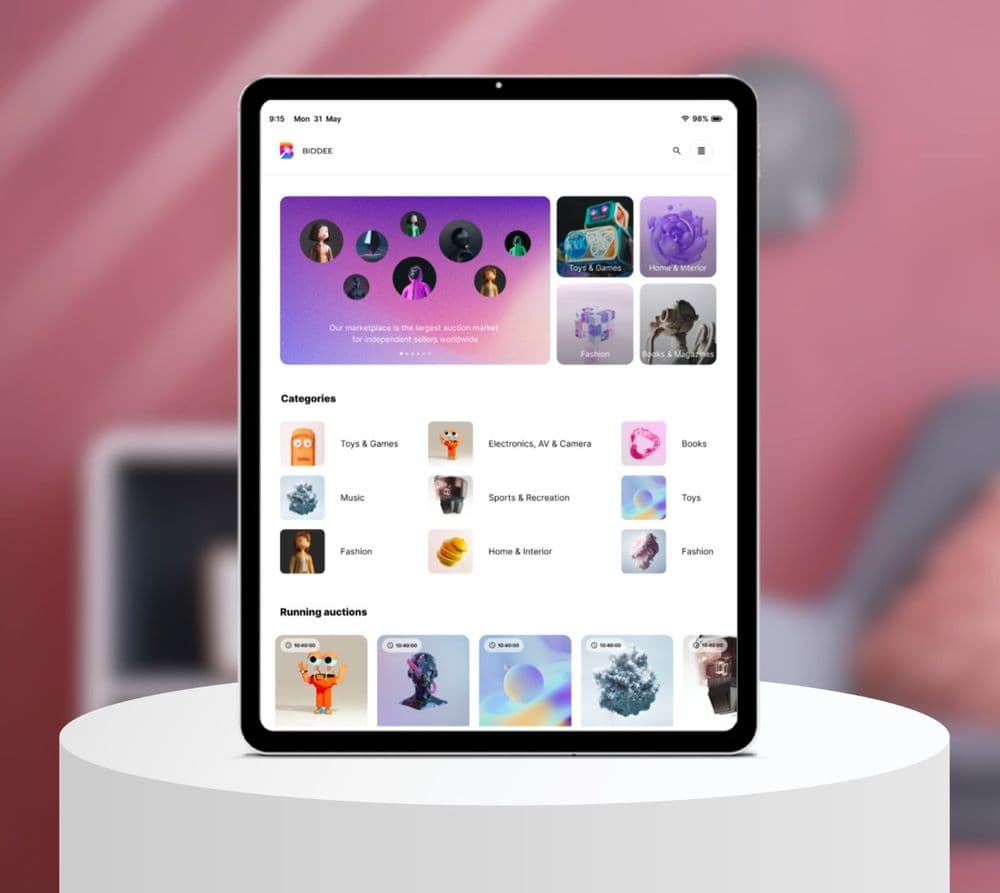
Biddee
3 yrsbuilt and evolved by the same team
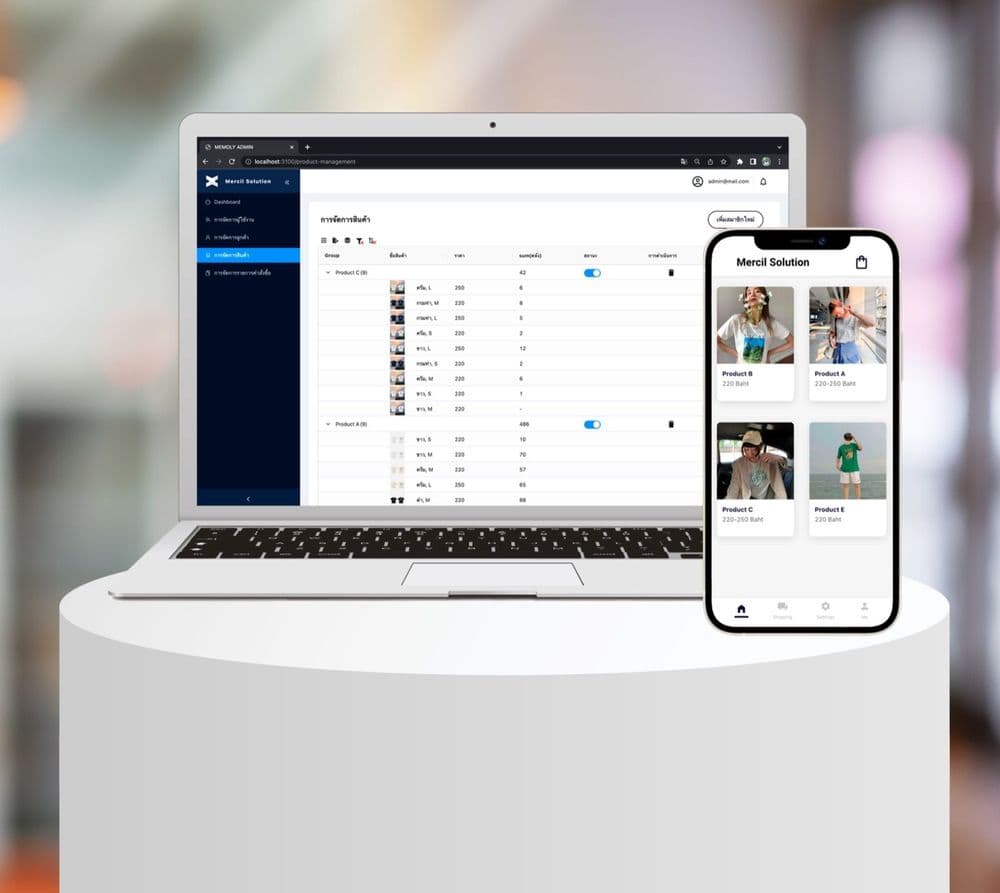
MEMO Clothing
97%customer satisfaction, up from 53%
Next step
Tell us about the problem you are trying to solve. A senior person reads every inquiry and replies with our view of fit, scope and cost, including when another option would suit you better.
We use essential cookies to make this site work and, with your consent, Google Analytics and Hotjar session recordings to understand how it is used. Forms are hidden in recordings. Cookie policy