GMMTV
Copy-protected e-books for GMMTV fans, on three app stores
- UX/UI Design & User Research
- Mobile Application Development
- Web Application Development

We build iOS and Android apps in Flutter from one codebase, for customers, members and field staff. We connect each app to your existing systems, release it through the App Store and Google Play, and keep it updated.
Mobile application development means building iOS and Android apps that customers, members or field staff install on their own phones, connected to the systems that already hold your data.
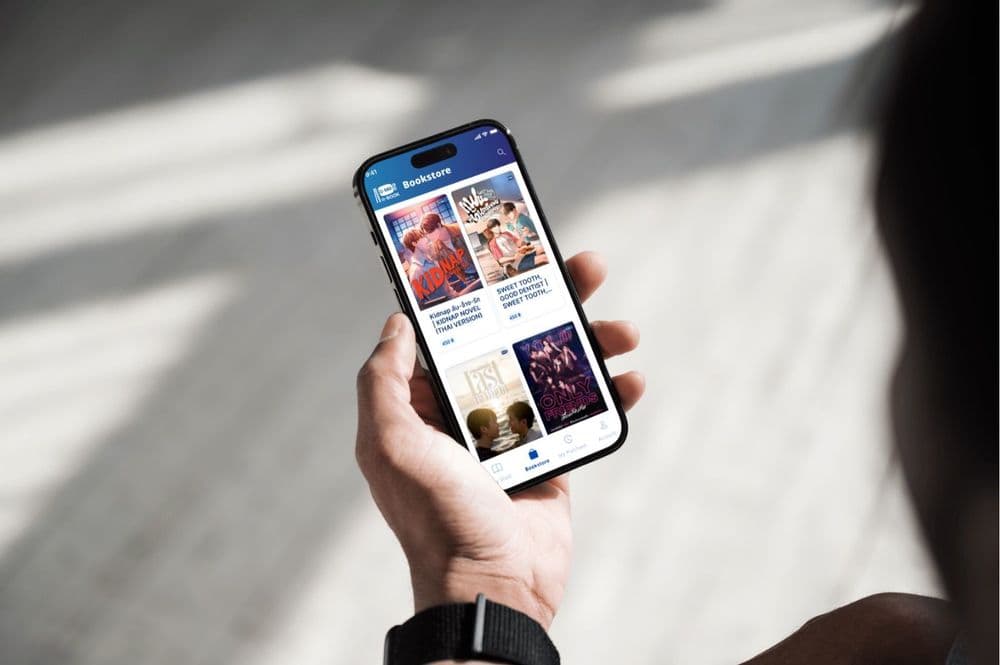
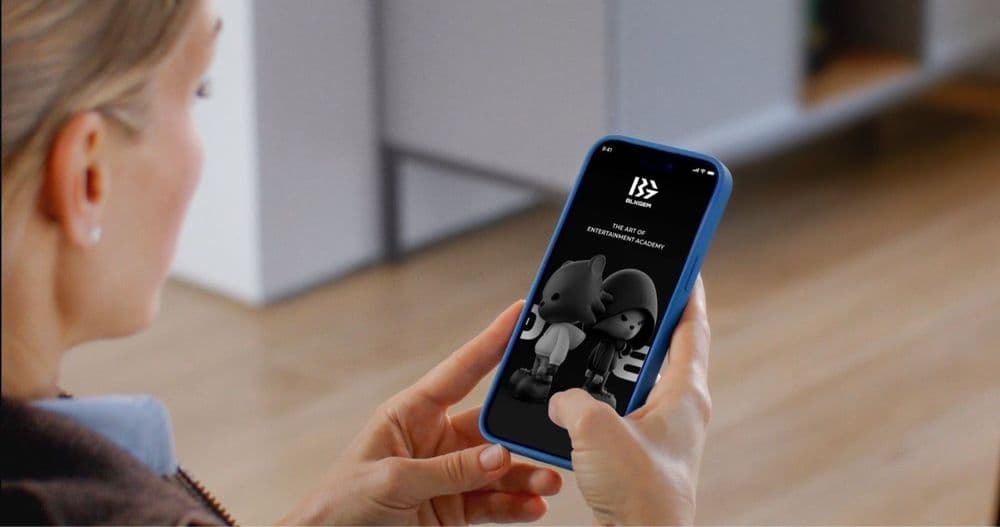
We built GMMTV's e-book store and reading app for iOS, Android, HarmonyOS and the web, with in-app payment and screen-capture protection. For the BLKGEM academy we built a class booking app where students book classes and admins check people in by scanning a QR code.
Field work reaches the system hours later
Staff record work on paper or in a chat, and someone types it in again at the office.
Customers need features a website handles poorly
The service depends on push notifications, the camera, offline access or biometric sign-in.
Two native codebases double every change
Separate iOS and Android teams build, test and release every feature twice.
An existing app is no longer maintained
OS updates, store policy changes and outdated libraries have made every release risky.
Flutter apps for iOS and Android
One codebase for both platforms, with screens designed for one-handed use on a phone.
APIs built for mobile connections
Backend endpoints with small payloads, timeouts and safe retries, for slow and dropped connections.
Offline use and sync
Local storage, rules for when two people edit the same record, and a sync you can test.
Sign-in and device security
Biometric login, secure token handling and encrypted storage on the device.
Store release and updates
Signing, store review and staged rollout, then crash monitoring and releases for each new OS version.
Every engagement runs through the same six-stage fitting process, from the first consultation to long-term care. The stages stay in the same order; how deep each one goes depends on the project.
See the full fitting processAn app earns its cost when the work needs something a browser cannot do well: the camera inside a workflow, reliable offline use, background location, push notifications or biometric sign-in. For forms, lists and dashboards, a responsive web application can usually do the same job without going through a store.
An app also brings work after launch. Every release, urgent fixes included, goes through App Store and Google Play review, and some users never update, so the backend has to keep serving older app versions for a while.
When an app is the right choice, we test it in the conditions your users work in: a mid-range Android phone a couple of OS versions behind, on a slow or dropping connection. When a request times out, the app shows a clear message and keeps what the user entered.



Engagements span build, integration and long-term support. Named with permission; clients under NDA are not listed.
Cost depends on the number of user groups and screens, how much the app must do offline, which device features it uses, and how ready your backend is for a mobile client. We send a written estimate after a short scoping call. For public-sector work we price against the TOR.
A focused first release usually takes three to five months. Offline sync adds time, because the rules for conflicting edits have to be designed and tested carefully. We also plan store review time into the schedule for the first release and every update.
For most business apps, one Flutter codebase gives you both platforms with near-native performance and one team to maintain it. Some requirements need deep native work, such as heavy device integration. If yours does, we tell you before you commit budget, because deep native specialisation is outside what we offer.
The developer accounts should be in your organisation's name, so the app stays yours if we stop working together. We can handle signing, submission and review feedback for you under those accounts.
We keep personal data on the device to a minimum, encrypt anything stored locally, ask for explicit consent before using location or sending notifications, and set how long cached data is kept. We build these technical controls; your legal advisers decide what PDPA requires of your organisation.
GMMTV
BLKGEM
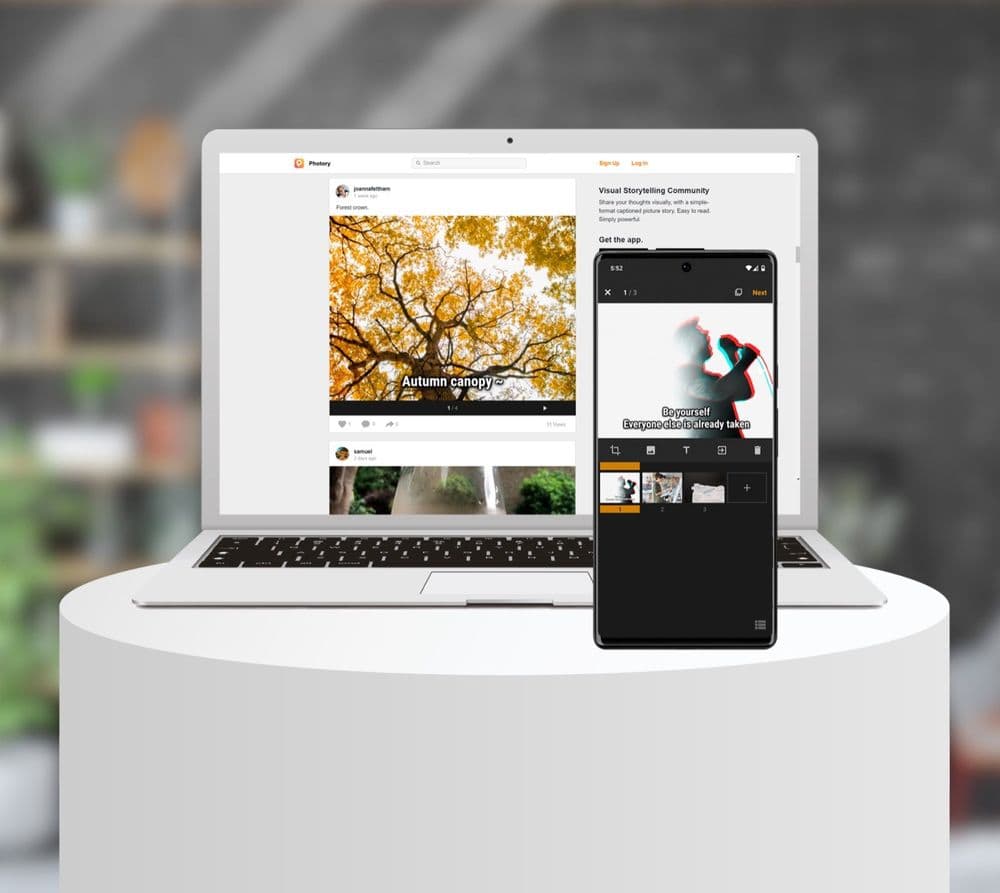
Photory
Next step
Tell us about the problem you are trying to solve. A senior person reads every inquiry and replies with our view of fit, scope and cost, including when another option would suit you better.
We use essential cookies to make this site work and, with your consent, Google Analytics and Hotjar session recordings to understand how it is used. Forms are hidden in recordings. Cookie policy