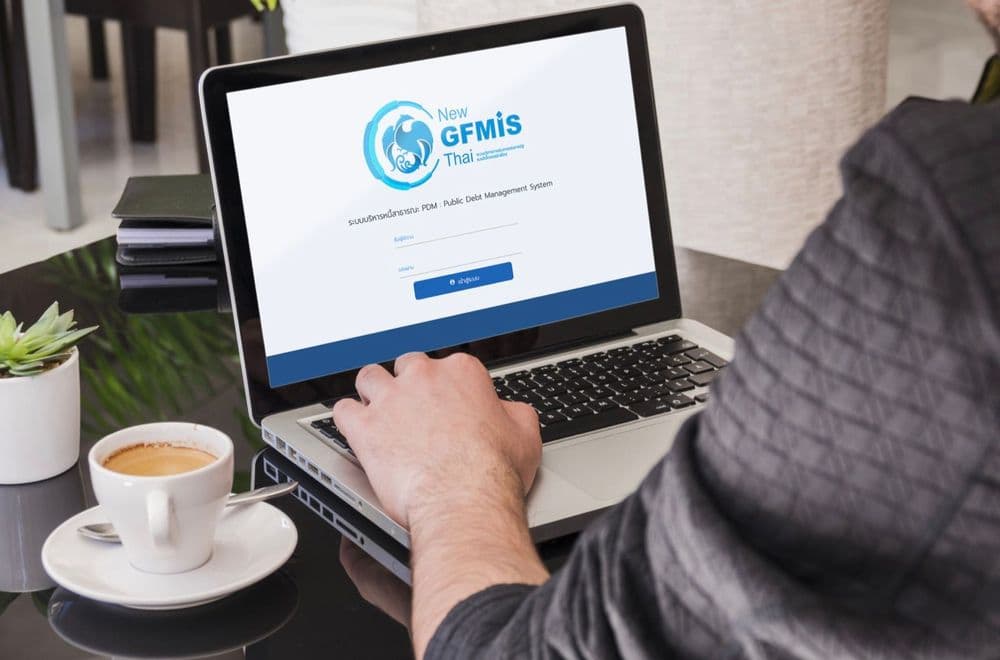
Public Debt Management Office, Ministry of Finance
฿9B+in contract value managed on the system we built
One open-source system for Thailand’s public debt, for the PDMO
- Enterprise Software Development
- Application Modernization
- Data Migration
We work out what is wrong with the system you have, decide part by part whether to rehost, replatform, refactor or leave it alone, and make the changes in stages while daily work continues.
Application modernisation means reworking an ageing system so it can be changed safely and connected to other systems again. Usually a clean interface goes in front of the old system and its parts are replaced behind it one at a time.
We were part of the delivery team for the Public Debt Management System at Thailand's PDMO, which replaced the office's SAP-based GFMIS-TR with seven modules that post to the government's New GFMIS Thai.
Nobody dares change the system
The people who built it have left, there are no tests, and any change might break something.
The platform is out of support
The operating system, database or framework no longer receives security patches, and upgrading one part breaks another.
New work waits on the system
New products and regulatory changes wait months because few people understand the system well enough to change it.
An earlier rewrite failed
An attempt to replace everything at once used up the budget.
Modernisation assessment
What is wrong, what each option costs, including doing nothing, and which parts justify the work.
An API over the old core
An interface that lets other systems and new channels connect without changes to the old code.
One capability at a time
Each part moves behind the interface; the old version runs until its replacement is proven.
Tests for code nobody understands
Characterisation tests that record what the system does today, so breaking changes are caught before release.
Data migration and reconciliation
Data moved into the new components, with counts and totals reconciled against the source.
Every engagement runs through the same six-stage fitting process, from the first consultation to long-term care. The stages stay in the same order; how deep each one goes depends on the project.
See the full fitting processWe first establish what the complaint is, because each common complaint has a different remedy. A system that is slow to change usually needs tests and some restructuring. One that cannot connect may only need an API in front of it. If nobody understands it, documentation comes first. If it runs correctly, costs little and only looks dated, we recommend leaving it alone.
When parts do need replacing, we usually work in stages, moving one capability at a time behind a new interface. This has two costs to plan for. For a while you run and reconcile two systems side by side, and benefit arrives unevenly: a programme more than half finished may deliver little until the most-used capabilities have moved. We order the work so those move early. A full rewrite makes sense when the business process has changed so much that the old system's rules no longer apply.







Engagements span build, integration and long-term support. Named with permission; clients under NDA are not listed.
It depends on the size of the system, the state of its code and data, and how many parts need replacing. We start with an assessment, estimated in writing after a short scoping call, and estimate later stages once it is done. Public-sector work is priced against the TOR.
Usually in stages. A full rewrite puts all the risk on one cutover, often freezes new features until it catches up, and tends to lose business rules nobody wrote down. The assessment shows which parts, if any, justify rebuilding from scratch.
Yes, and most of this work is like that. We read the code, database and deployment setup, and talk to the people who operate the system. The first weeks are slower while we build context, and we include them in the estimate. We document what we find as we go.
Before changing a part, we write characterisation tests that record what it does today, including behaviour nobody intended. A change that alters that behaviour then fails a test before release. Where current behaviour turns out to be wrong, the business decides whether to keep it.
The old system stays in service for each capability until the replacement has run on real work and the results reconcile. Each stage has a rollback plan. If an outage window is needed, we agree it with you in advance and rehearse the cutover first.
Public Debt Management Office, Ministry of Finance
฿9B+in contract value managed on the system we built
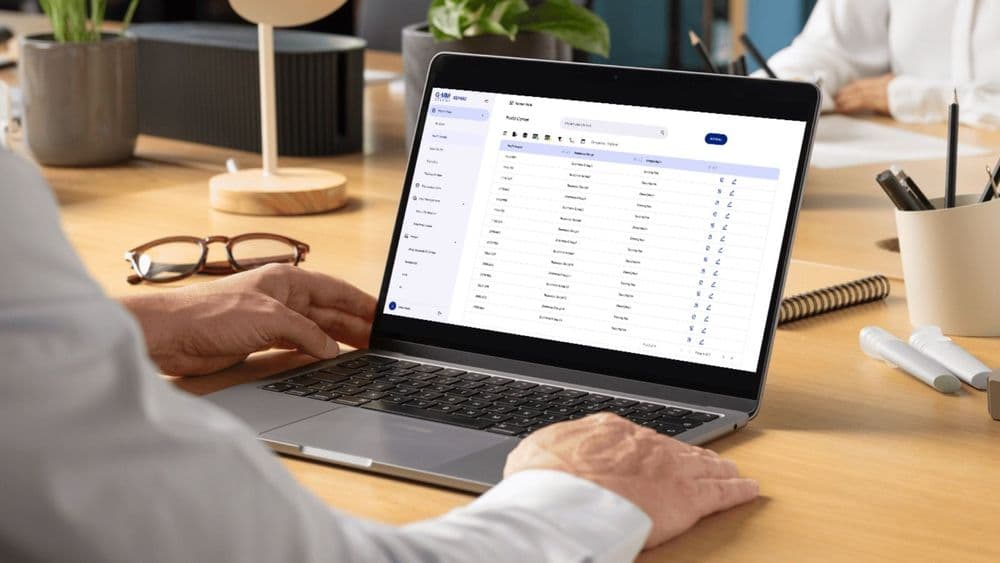
GMM Grammy
Next step
Tell us about the problem you are trying to solve. A senior person reads every inquiry and replies with our view of fit, scope and cost, including when another option would suit you better.
We use essential cookies to make this site work and, with your consent, Google Analytics and Hotjar session recordings to understand how it is used. Forms are hidden in recordings. Cookie policy